Tree trimmer general liability insurance
General liability is the policy every tree trimmer needs first. It responds when your work injures someone or damages property that isn't yours, and it's the coverage customers, property managers and towns ask to see before you start a job.
This content is for general information only. It is not insurance advice, a quote, or an offer of coverage. Policy wording controls in all cases. Read the full disclaimer.
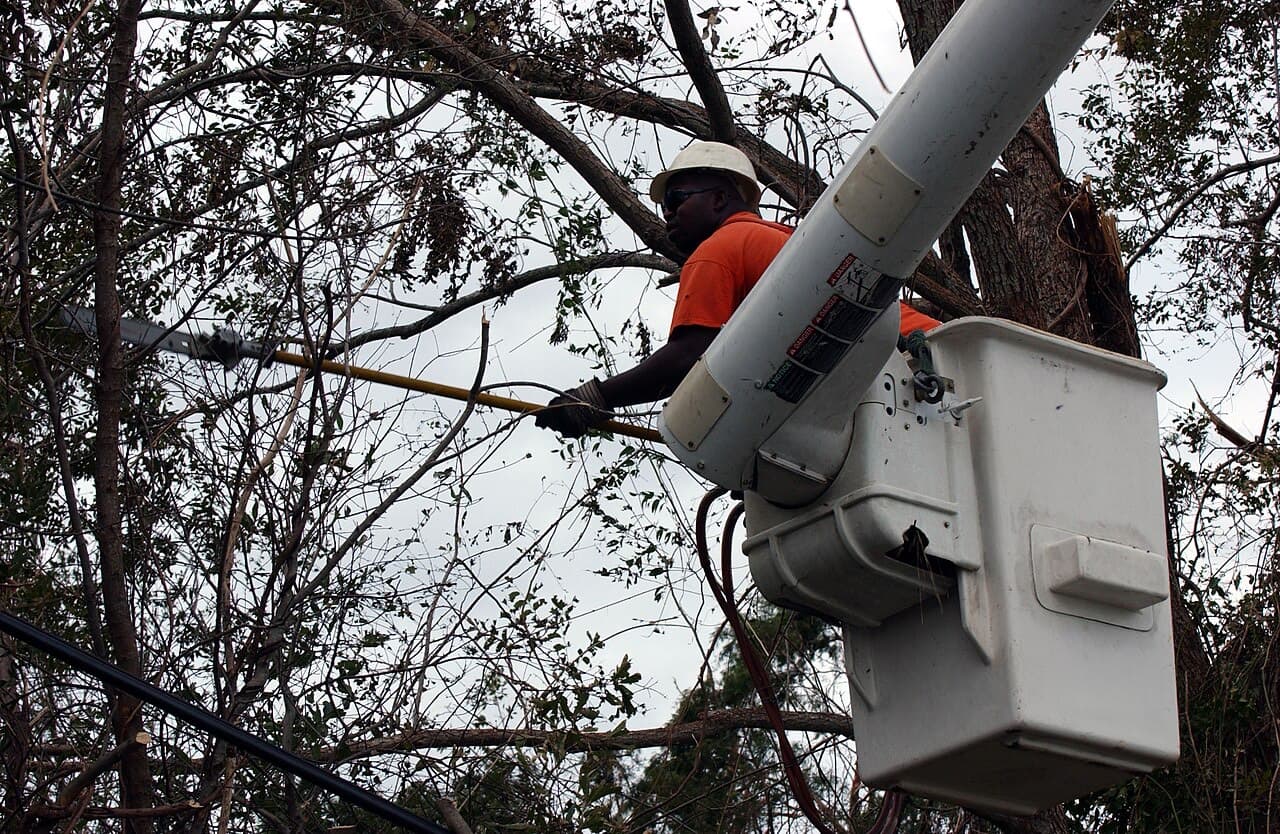
What tree trimmer general liability usually covers
- Third-party property damage. A limb comes down on a customer's roof, a neighbor's car, a fence or a shed.
- Third-party bodily injury. Someone walks into the drop zone and is hit by debris.
- Completed operations. A tree you trimmed or cabled fails later and the owner says your work caused it.
- Legal defense. The cost of defending a covered claim, even one without merit, is usually paid in addition to the limit.
- Medical payments. Small medical bills for an injured member of the public, often paid without a lawsuit.
What it doesn't cover
- Injuries to you or your employees. That's workers compensation, which you can add to the application for some accounts.
- Your own trucks. That's commercial auto.
- Your own chippers, grinders and saws. That's equipment coverage.
- Mistakes in written advice or reports. That's arborist E&O.
Exclusions to check on a tree trimming policy
Tree work is where general liability policies differ the most. Before you buy, read the exclusions and endorsements for these:
- Height limits. Some policies only cover work below a set height, such as 30 or 50 feet.
- Tree removal. Some landscaping policies cover pruning but exclude felling and removal.
- Crane work. Crane-assisted removals may be excluded or need to be disclosed.
- Utility lines. Work near power lines, or utility line clearance, is often excluded.
- Underground damage. Damage to buried pipes and cables, common with stump grinding, can be limited.
- Subcontractors. Some policies exclude work done by uninsured subcontractors.
- Property in your care. Damage to the tree you're working on, or property you're responsible for, is often limited.
That's why the application asks how tall the trees are, how you work on them, and whether you use cranes or work near lines. A quote based on the real work is one that responds when you need it.
Limits and certificates
The most common limit for tree trimmers is $1,000,000 per occurrence with a $2,000,000 aggregate, and it's what most commercial customers and towns ask for. Some contracts require $2,000,000 / $4,000,000. You can pick your limit on the application.
Customers often ask for a certificate of insurance, and sometimes to be named as an additional insured. Tell whoever quotes your policy if your contracts require additional insured status, a waiver of subrogation, or primary and non-contributory wording.
What you need for a quote
- Gross annual sales and annual W-2 payroll
- Payroll for each type of work, like trimming, removal and stump grinding
- Active owners who work in the field
- What you pay subcontractors, and whether they carry $1M/$2M and name you as additional insured
- The tallest trees you work on, and whether you climb, use a bucket truck or use a crane
- Any claims in the past 5 years
Common questions
Is general liability required for tree trimmers?
Requirements vary by state and city. Many towns require it for a tree service license or permit, and most commercial customers, HOAs and property managers require a certificate before you start work.
Does general liability cover tree removal?
It can, but only if removal is a covered operation on your policy. Some landscaping policies exclude removal or limit the height you can work at, so list every type of tree work on your application.
Does general liability cover stump grinding?
Yes, when stump grinding is listed as an operation. Check for limits on underground damage, since buried lines are the most common stump grinding claim.
What if my subcontractors don't have insurance?
Carriers usually add what you pay uninsured subcontractors to your own payroll, which raises the premium, and some policies exclude their work. Requiring subs to carry $1M/$2M and name you as additional insured avoids both.